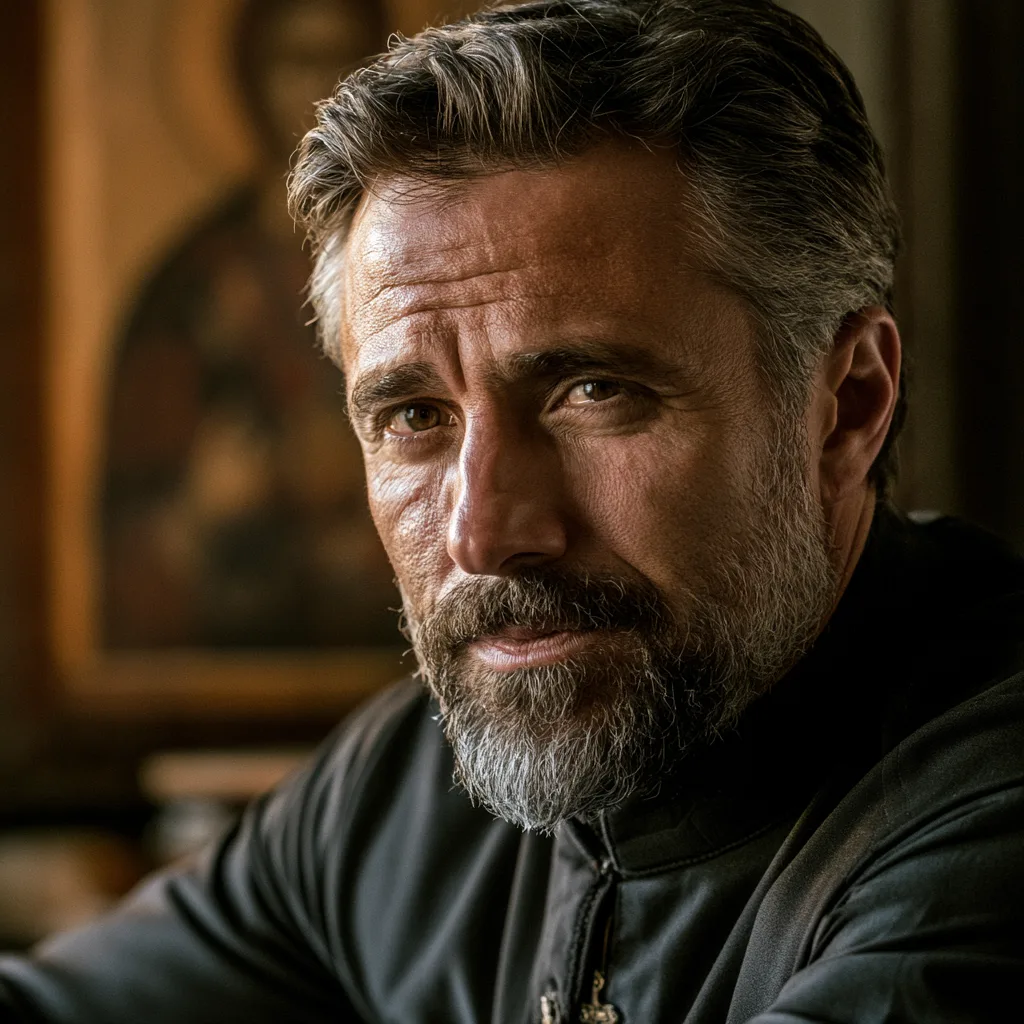
At least once a month, a well-meaning parishioner sends me an article warning that contemplative prayer is a gateway to New Age spirituality. I read these articles with the patience of a man who has spent thirty years in the hesychast tradition and occasionally wants to bang his head gently against the nearest icon. The articles invariably make the same argument: Christian meditation is identical to Buddhist or Hindu meditation, and Christians who practice it are unwittingly inviting demonic influence into their prayer lives.
This argument is historically illiterate, theologically confused, and clinically harmful. It causes anxious Christians to avoid contemplative practices that could genuinely help them, while misrepresenting a tradition that is older than many of the denominations making the accusation.
The Historical Record
Christian contemplative prayer is not a modern import from the East. It predates Buddhism's arrival in the West by at least fifteen centuries. The Desert Fathers of Egypt - Evagrius Ponticus, John Cassian, Macarius the Great - were practicing contemplative prayer in the fourth century. The hesychast tradition on Mount Athos has been continuous since the eleventh century. The Jesus Prayer has been in use since at least the fifth century. Meister Eckhart, the anonymous author of The Cloud of Unknowing, John of the Cross, Teresa of Avila - these contemplatives developed sophisticated technologies of inner prayer centuries before any Eastern practice reached European shores.
The suggestion that contemplative prayer is a Christian knockoff of Buddhist meditation reverses the actual history. The Christian and Buddhist traditions developed independently and arrived at overlapping observations about the mechanics of the human mind, which should not surprise us, since both traditions are working with the same human mind.
The Theological Difference
The most important distinction is theological, and it is not subtle. In Buddhist meditation, the ultimate goal is nirvana - the cessation of suffering through the dissolution of the illusion of a permanent self. The self is the problem. Liberation means seeing through the self entirely.
In Hindu meditation, the goal is the realization that the individual self is identical with the universal self. The distinction between the person and God is the illusion. Liberation means recognizing that you are God.
In Christian contemplative prayer, neither of these is the goal. The Christian contemplative does not seek to dissolve the self. The self is created by God, loved by God, and destined for eternal relationship with God. The goal is not identity with God but theosis - participation in the divine nature while remaining a distinct person. The creature becomes like the Creator but does not become the Creator. The relationship is maintained.
This difference matters enormously in practice. When I teach the Jesus Prayer, my client is not seeking to dissolve their sense of self. They are seeking to quiet the noise of the ego so they can encounter a Person. The silence is not the destination. The silence is the condition that makes the encounter possible.
When a Buddhist meditator sits in stillness, they are cultivating awareness of the impermanent, conditioned nature of all experience. When a Christian contemplative sits in stillness, they are making themselves available to be addressed by God. The posture looks identical from the outside. The interior orientation is different. One is watching. The other is listening.
Why the Confusion Matters Clinically
The conflation of Christian and Eastern meditation is a clinical problem. I work with anxious Christians who desperately need contemplative tools but have been warned away from them by pastors who cannot tell the difference between the Jesus Prayer and transcendental meditation.
A woman named Elena came to my office last year suffering from severe anxiety. Her Protestant church had told her that all meditation is dangerous, that emptying the mind opens it to demonic influence, and that the only safe prayer is verbal, scripted, and spoken aloud. She was praying for hours a day - anxiously, compulsively - and her anxiety was getting worse.
I showed her the hesychast tradition. I showed her that the Jesus Prayer is not emptying the mind. It is filling the mind with the name of Christ. The sacred word is not a mantra in the Hindu sense. It is a prayer - an address to a Person. "Lord Jesus Christ, Son of God, have mercy on me." Every repetition is a conversation. Every breath is an act of relationship.
Elena began practicing. Within three weeks, her anxiety decreased measurably. Not because the Jesus Prayer is magic, but because synchronizing prayer with slow, diaphragmatic breathing activates the parasympathetic nervous system. The vagus nerve does not care about theology. It responds to breath. And God, I believe, works through the vagus nerve as readily as through any other part of creation.
The tragedy is that millions of anxious Christians are denied access to their own tradition's contemplative tools because of a theological confusion that a basic course in church history could correct. The Desert Fathers were not Buddhists. The hesychasts were not Hindus. They were Christians who understood something the modern church has largely forgotten: that God is found in silence, in rest, and in the depths of the heart where the Holy Spirit dwells.
If your church has told you that contemplative prayer is dangerous, I invite you to read the actual sources. Read Evagrius. Read Cassian. Read the Philokalia. Read The Cloud of Unknowing. These are not Eastern texts smuggled into Christianity. They are the authentic voice of your own tradition, offering the same invitation they have always offered: be still, and know that I am God.