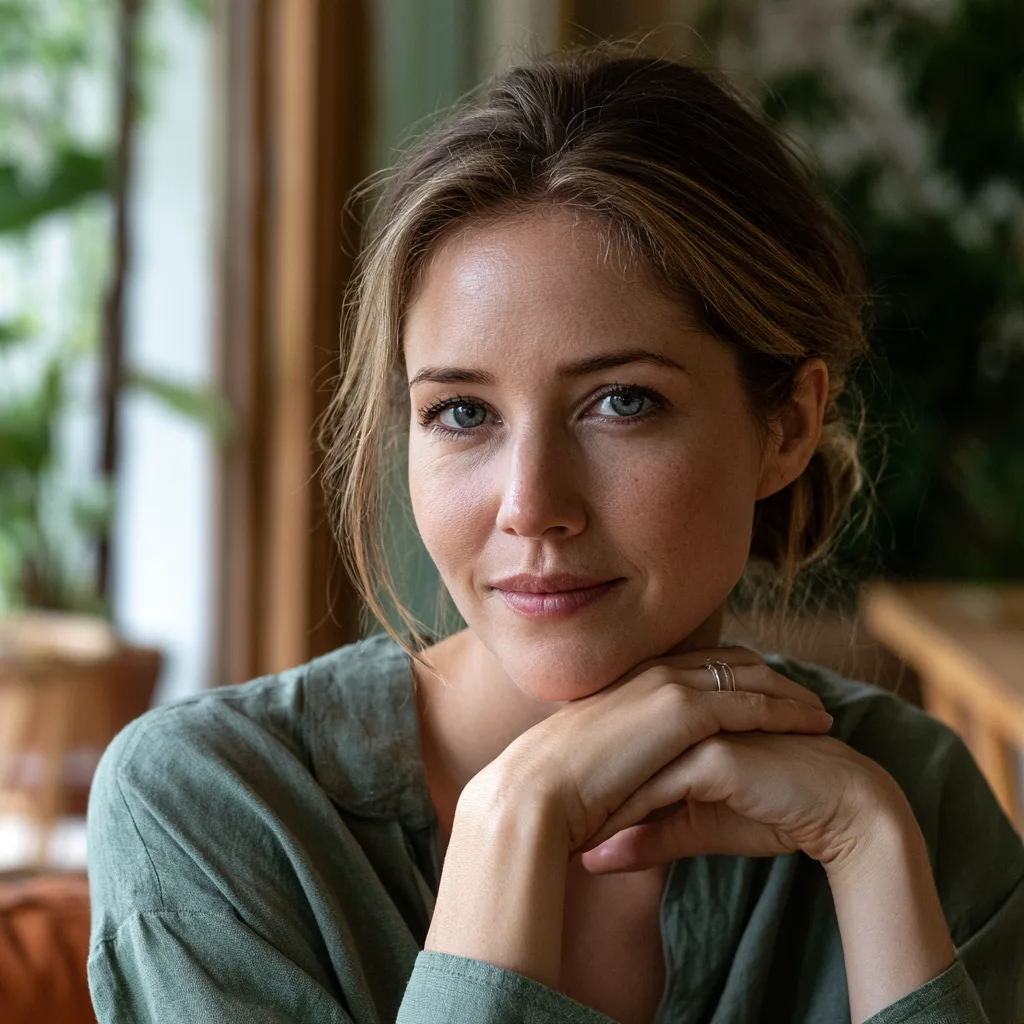
Every Sunday morning, I sit in a room with thirty other people on plain wooden benches. There is no pastor. No sermon. No music. No liturgy. There is silence. And out of that silence, when the Spirit prompts, someone speaks. Then silence again. For an hour.
This is Quaker worship. It is the most therapeutic practice I know.
What Expectant Waiting Is
The Quaker tradition calls it "expectant waiting" - not passive silence, but active, attentive listening. You are not emptying your mind. You are clearing the clutter so that you can hear what is already being said. George Fox, the founder of the Quaker movement, described it as attending to "that of God in every person" - the Inner Light, the still small voice, the presence that speaks when we are finally quiet enough to listen.
This is not meditation in the Eastern sense. It is not about transcending thought. It is about descending beneath thought - past the anxious planning, the rehearsed narratives, the compulsive problem-solving - to the place where you actually are. Present. Here. Available.
Why This Matters for Mental Health
Most of my clients are drowning in noise. Not just external noise - the notifications, the news cycle, the constant demands - but internal noise. The voice that rehearses tomorrow's meeting. The voice that replays yesterday's argument. The voice that evaluates, judges, and plans without ceasing.
Mindfulness-based cognitive therapy calls this "the default mode" - the mind's tendency to wander into rumination when not given a task. It correlates with anxiety and depression. The antidote is what therapists call "present-moment awareness" - the ability to be where you are, fully, without the mind dragging you into past or future.
The Quakers discovered this four hundred years before neuroscience confirmed it. They just called it "centering down."
A Practice for the Overstimulated
You do not need to be Quaker to benefit from expectant waiting. Here is a practice I teach my clients:
Find a quiet place. Sit comfortably. Set a timer for ten minutes - not because you need to measure, but because the anxious mind needs to know there is an endpoint.
Close your eyes. Take three slow breaths. Then simply wait. Not for anything specific. Not with an agenda. Just wait, the way you would wait for a friend who is running late - with openness, not impatience.
Thoughts will come. Let them pass. Do not engage, do not fight. Simply notice and return to the waiting. You are not trying to achieve a state. You are trying to stop achieving.
What comes in the silence is different for everyone. Some hear words. Others feel a settling in the body. Some notice nothing at all - and that is fine too. The practice is the waiting, not the result. Faithfulness is measured by showing up, not by what happens when you do.
In a culture that rewards speed, productivity, and constant output, the most radical thing you can do is sit still and listen. Not to yourself. Not to the culture. Listen to the quiet voice beneath both - the one that has been speaking all along, waiting for you to stop talking long enough to hear.